A Freetown Legacy: The Enduring Tapestry of the Malamah-Thomas Family
A Heritage Forged in Freedom
In the turbulent currents of the 18th and 19th centuries, as the world grappled with the moral stain of the transatlantic slave trade, a bold experiment in liberty was taking root on the coast of West Africa. Here, on a peninsula of verdant mountains sloping down to the Atlantic, the city of Freetown was born—a promise etched into the very landscape. It was a promise of refuge, a sanctuary for those who had been captured, sold, and then, by a twist of fate, liberated. It was into this crucible of hope and hardship that the ancestors of the Malamah-Thomas family were thrust, their individual destinies becoming interwoven with the grand, complex story of a new people and a new nation. Their journey is not merely a collection of names and dates; it is a microcosm of the creation of a unique Afro-Atlantic identity, a testament to the indomitable human spirit's capacity to forge a future from the fragments of a shattered past.
This historical record traces the unbroken thread of that legacy, from the shores of Yorubaland to the bustling streets of colonial and post-colonial Freetown. It is a story of resilience in the face of unimaginable adversity, of the entrepreneurial genius that built businesses from nothing, and of a profound commitment to civic duty that shaped the very institutions of Sierra Leone. At the heart of this narrative stands the towering figure of the family’s patriarch: John Henry 'Malamah' Thomas, the merchant prince, Member of the Legislative Council, and Mayor of Freetown who became a veritable nation-builder. His life, and the lives of those he loved, form a rich tapestry that tells not only the story of one family, but the story of the Krio people themselves—a story of survival, innovation, and enduring strength.
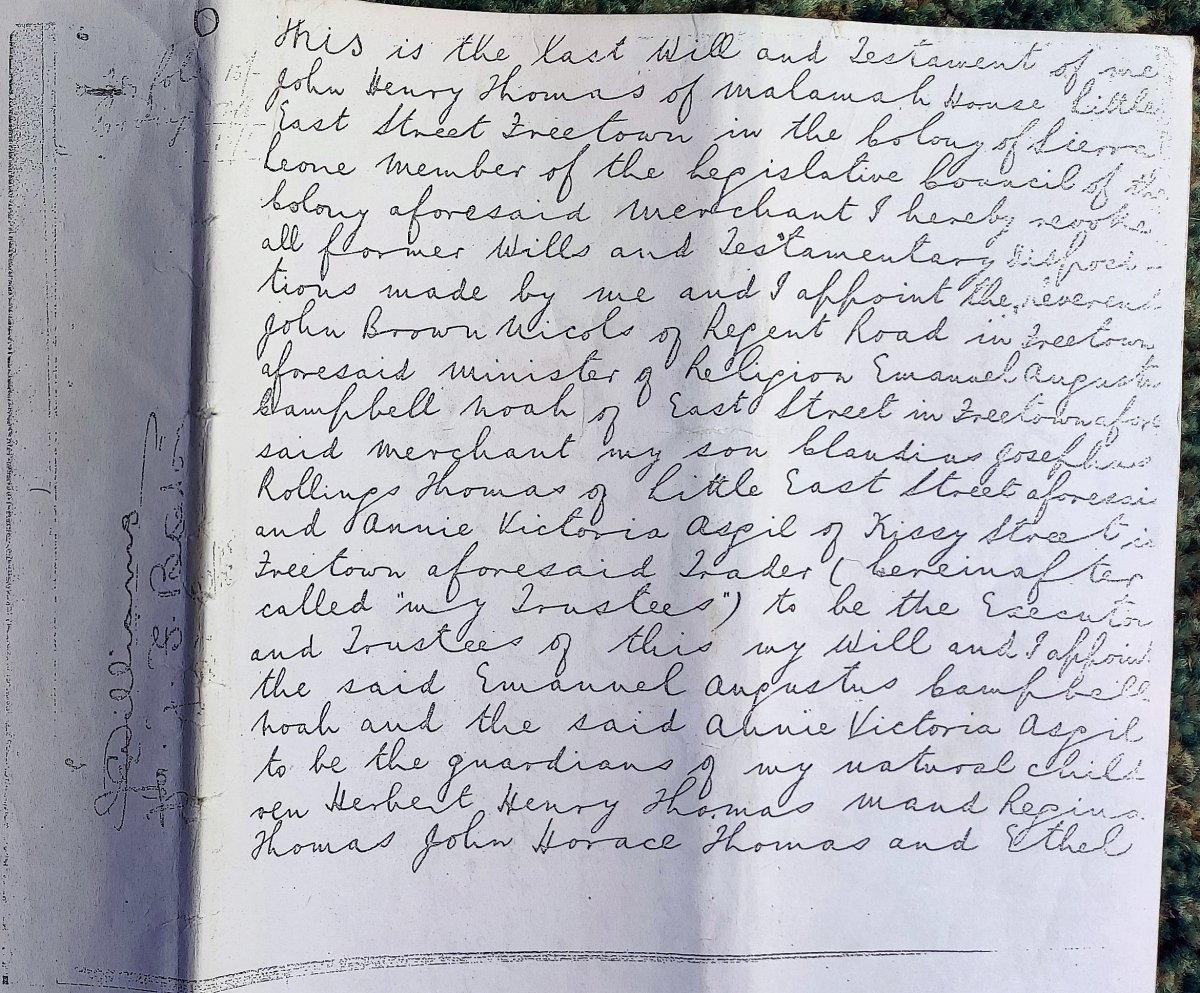
Thanks to invaluable family documents, including the patriarch's own handwritten will, we can now see with clarity the complex and loving family he built and the legacy he so carefully planned for them. This record seeks to honor that legacy, connecting the generations from the patriarch himself to his children, grandchildren, and the vibrant family that continues to carry his name today.
In the turbulent currents of the 18th and 19th centuries, as the world grappled with the moral stain of the transatlantic slave trade, a bold experiment in liberty was taking root on the coast of West Africa. Here, on a peninsula of verdant mountains sloping down to the Atlantic, the city of Freetown was born—a promise etched into the very landscape. It was a promise of refuge, a sanctuary for those who had been captured, sold, and then, by a twist of fate, liberated. It was into this crucible of hope and hardship that the ancestors of the Malamah-Thomas family were thrust, their individual destinies becoming interwoven with the grand, complex story of a new people and a new nation. Their journey is not merely a collection of names and dates; it is a microcosm of the creation of a unique Afro-Atlantic identity, a testament to the indomitable human spirit's capacity to forge a future from the fragments of a shattered past.
This historical record traces the unbroken thread of that legacy, from the shores of Yorubaland to the bustling streets of colonial and post-colonial Freetown. It is a story of resilience in the face of unimaginable adversity, of the entrepreneurial genius that built businesses from nothing, and of a profound commitment to civic duty that shaped the very institutions of Sierra Leone. At the heart of this narrative stands the towering figure of the family’s patriarch: John Henry 'Malamah' Thomas, the merchant prince, Member of the Legislative Council, and Mayor of Freetown who became a veritable nation-builder. His life, and the lives of those he loved, form a rich tapestry that tells not only the story of one family, but the story of the Krio people themselves—a story of survival, innovation, and enduring strength.
Thanks to invaluable family documents, including the patriarch's own handwritten will, we can now see with clarity the complex and loving family he built and the legacy he so carefully planned for them. This record seeks to honor that legacy, connecting the generations from the patriarch himself to his children, grandchildren, and the vibrant family that continues to carry his name today.
The Crucible of a New Society – The Origins of the Krio People
To fully appreciate the journey of the Malamah-Thomas family, one must first understand the world that shaped them. Freetown was no ordinary city; it was a radical idea brought to life, a melting pot of peoples from across Africa and the Americas, each bringing their own stories of bondage and deliverance. The unique culture that emerged from this convergence—the Krio culture—became the bedrock upon which the family’s legacy was built.
To fully appreciate the journey of the Malamah-Thomas family, one must first understand the world that shaped them. Freetown was no ordinary city; it was a radical idea brought to life, a melting pot of peoples from across Africa and the Americas, each bringing their own stories of bondage and deliverance. The unique culture that emerged from this convergence—the Krio culture—became the bedrock upon which the family’s legacy was built.
The Province of Freedom: A New Jerusalem
The story of Freetown begins not in Africa, but in the drawing rooms of London abolitionists and the harsh landscapes of Nova Scotia. The first settlers, arriving in 1787, were the "Black Poor" of London—a group of African Americans, Afro-Caribbeans, and other people of African descent who were evacuated or had traveled to England seeking a better life. This initial settlement, dubbed the "Province of Freedom," was fraught with hardship and ultimately failed.
A more enduring foundation was laid in 1792 with the arrival of nearly 1,200 "Black Loyalists" from Nova Scotia. These were formerly enslaved people who had fought for the British during the American Revolutionary War in exchange for their freedom. Led by the charismatic and determined Thomas Peters, a Yoruba man who had escaped slavery in North Carolina, they had become disillusioned with the broken promises of land and equality in Canada. Upon their arrival, they established a new settlement and named it "Freetown". They were soon joined in 1800 by some 550 Jamaican Maroons, fierce warriors who had won their freedom from the British in Jamaica. These founding groups brought with them a Western orientation, the English language, and a fervent Christianity, laying the cultural groundwork for the nascent colony.
The Recaptives and the Rise of the Aku
The character of Freetown was fundamentally transformed after 1807, when the British Parliament abolished the slave trade. The Royal Navy’s West Africa Squadron patrolled the Atlantic, intercepting illegal slave ships and liberating their human cargo. These "Liberated Africans," or "recaptives," were brought to Freetown by the tens of thousands.Among the most influential of these groups were the Yoruba people from modern-day Nigeria, who came to be known in Sierra Leone as the Aku. A significant portion of the Aku were followers of Islam, forming a distinct and powerful community known as the "Aku Marabout" or "Aku Mohammedans". They settled in specific neighborhoods like Fourah Bay, Fula Town, and Aberdeen, preserving their religious traditions and creating vibrant cultural centers. The Aku astutely engaged with the colonial system, embracing Western education and adopting European surnames as tools for advancement, all while fiercely maintaining their cultural and religious heritage. It is from this dynamic and resilient Aku community that the Malamah-Thomas family emerged.
The character of Freetown was fundamentally transformed after 1807, when the British Parliament abolished the slave trade. The Royal Navy’s West Africa Squadron patrolled the Atlantic, intercepting illegal slave ships and liberating their human cargo. These "Liberated Africans," or "recaptives," were brought to Freetown by the tens of thousands.Among the most influential of these groups were the Yoruba people from modern-day Nigeria, who came to be known in Sierra Leone as the Aku. A significant portion of the Aku were followers of Islam, forming a distinct and powerful community known as the "Aku Marabout" or "Aku Mohammedans". They settled in specific neighborhoods like Fourah Bay, Fula Town, and Aberdeen, preserving their religious traditions and creating vibrant cultural centers. The Aku astutely engaged with the colonial system, embracing Western education and adopting European surnames as tools for advancement, all while fiercely maintaining their cultural and religious heritage. It is from this dynamic and resilient Aku community that the Malamah-Thomas family emerged.
John Henry 'Malamah' Thomas – Merchant Prince and Patriarch
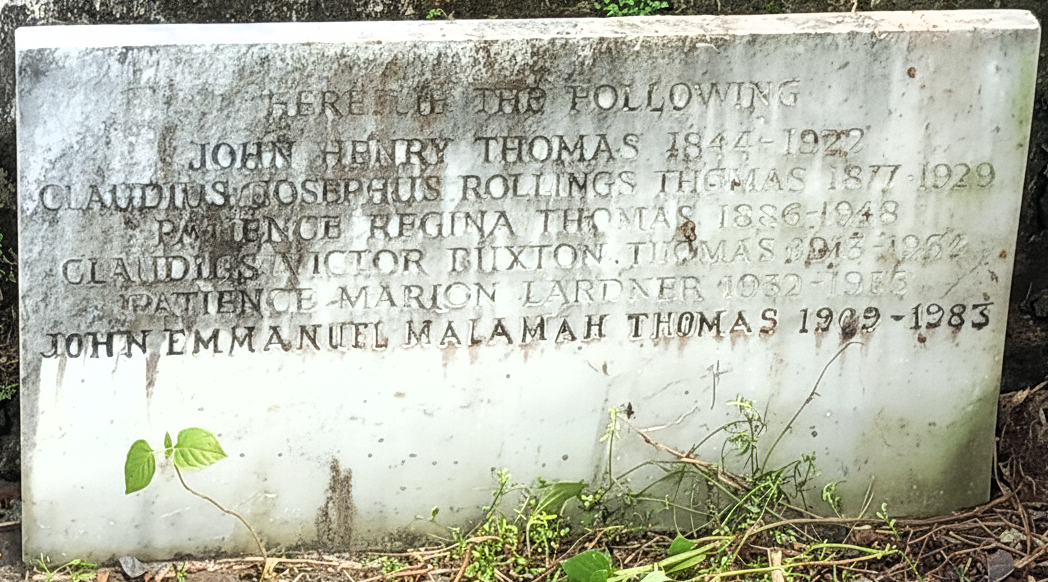
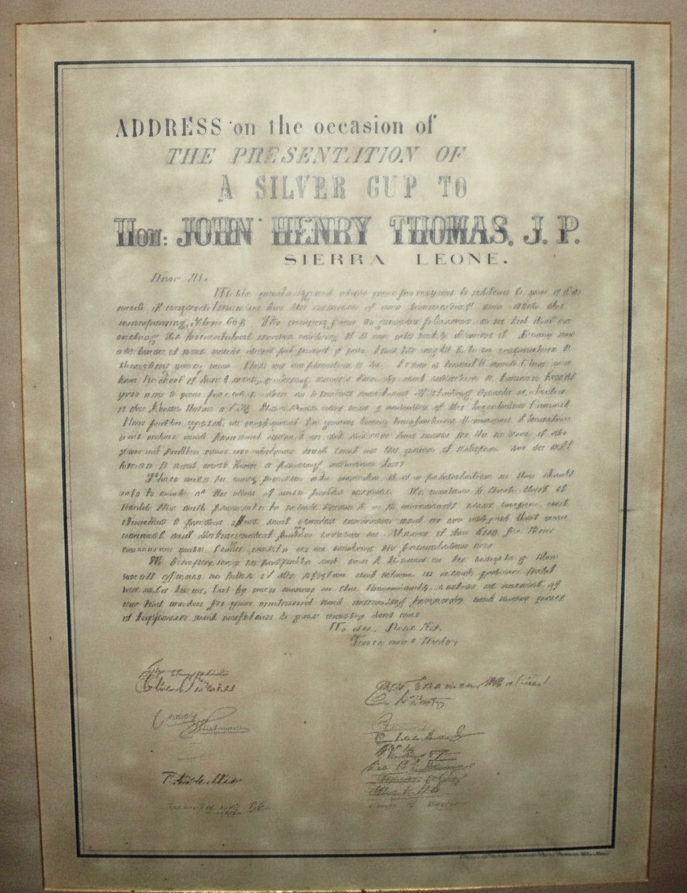
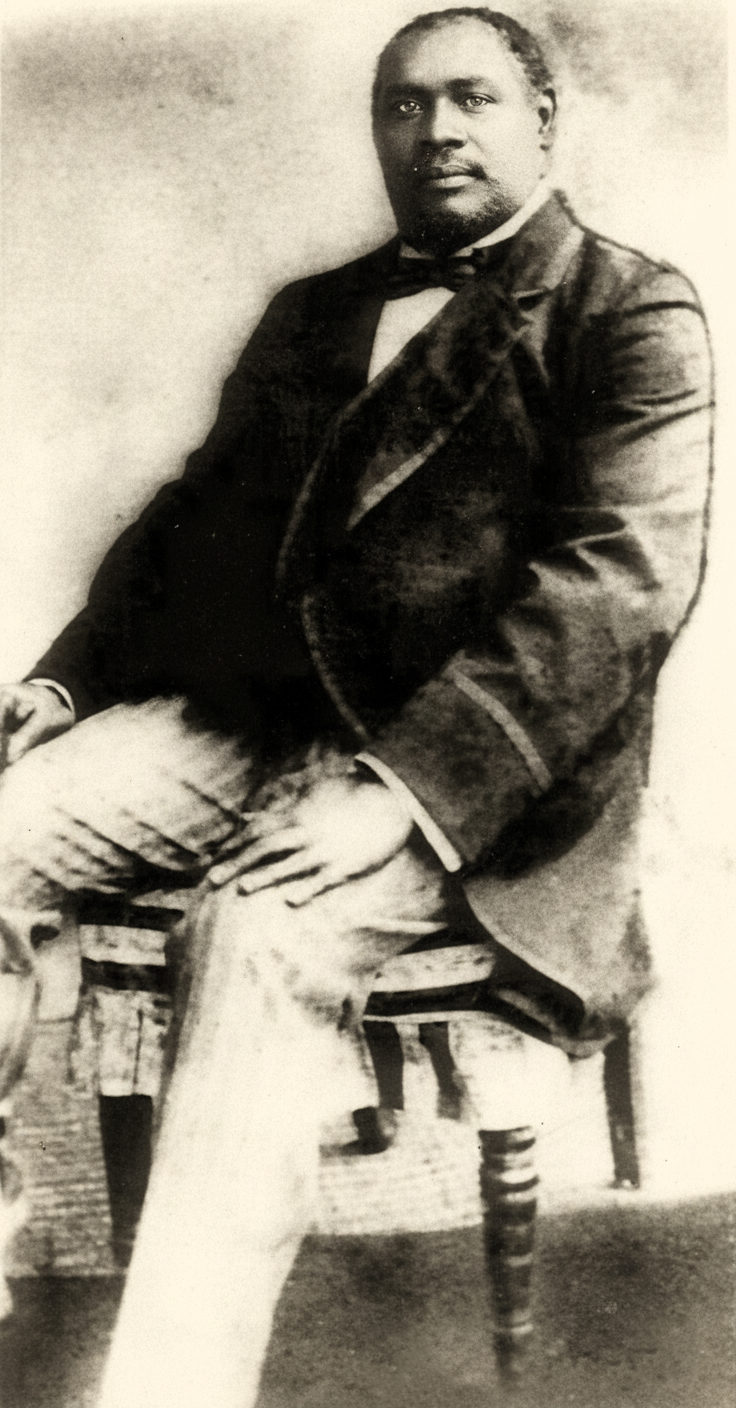
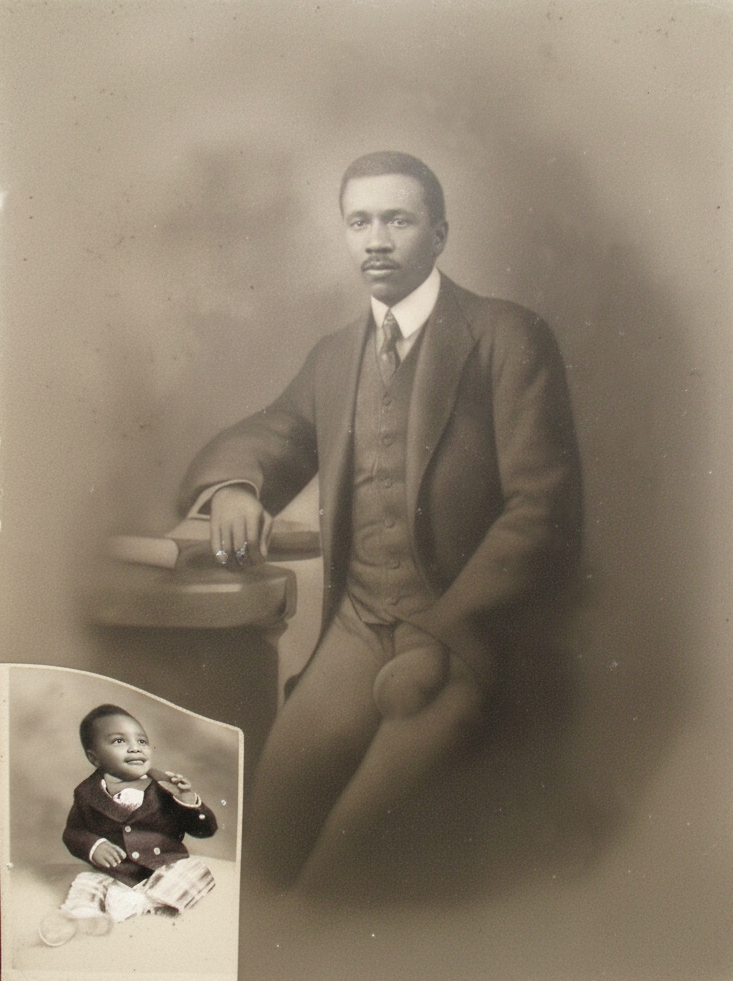
At the center of this family's story stands John Henry 'Malamah' Thomas, a man whose life embodied the Krio spirit of ambition, enterprise, and civic duty. His journey from impoverished beginnings to the pinnacle of Freetown society is a testament to his extraordinary character.
From Rags to Riches: The Making of a Magnate
Born into hardship in Hastings, John Henry was forced to abandon his education at age 14 to support his family. He began as a clerk, but his innate business acumen soon led him to strike out on his own with a modest £100 loan. He established a factory at a location known as "Malamah," which became the source of his enduring nickname and the foundation of his commercial empire. He specialized in textiles, even patenting his own "Malamah baft" cotton, and his shop in Freetown became a hub of commerce.
A Life of Public Service
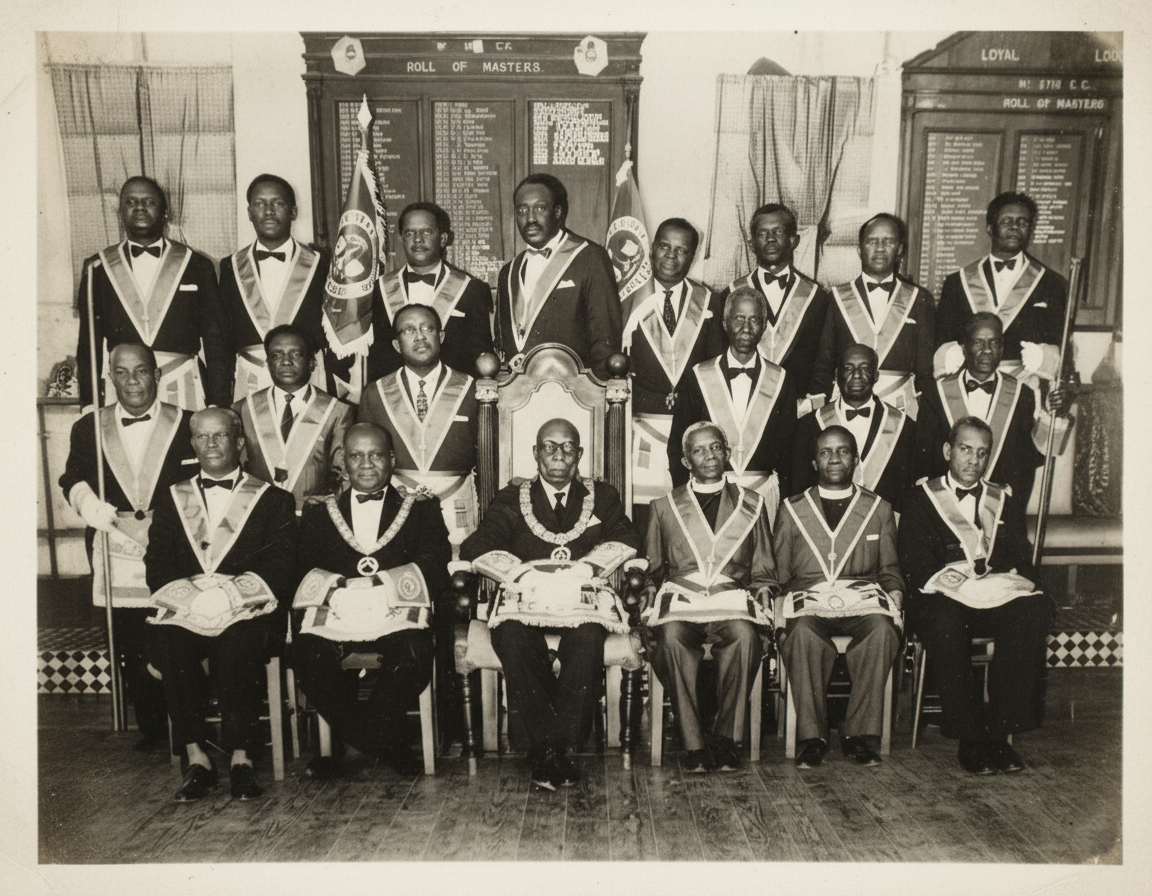
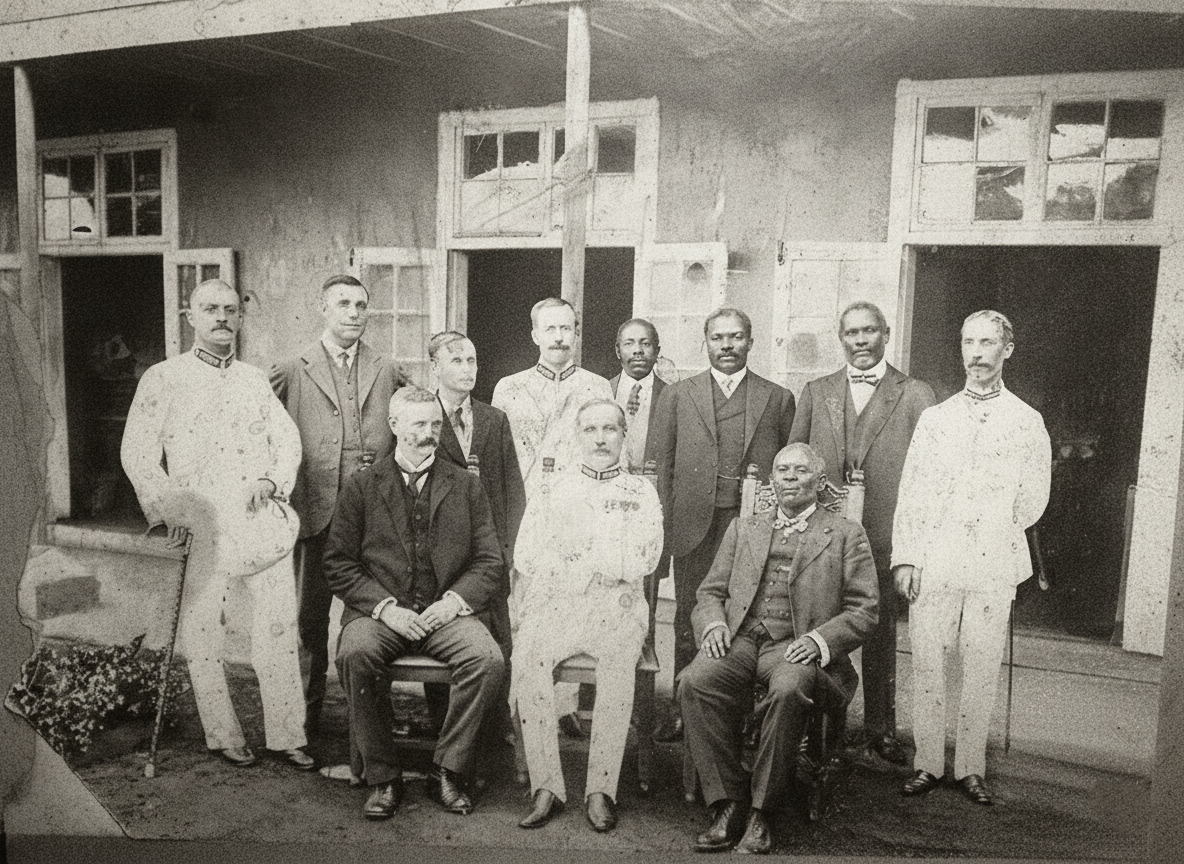
'Malamah' Thomas translated his commercial success into a remarkable career of public service. He was a devoted churchman, a Justice of the Peace, and a dominant force in Freetown politics. He served an astounding eight terms as the city's Mayor, and in 1907, he was appointed to the prestigious Legislative Council of the Colony of Sierra Leone—a position of immense influence he still held at the time of his death. His influence extended across the region as President of the local branch of the National Congress of British West Africa, a key organization advocating for greater self-governance for Africans. John Henry 'Malamah' Thomas was more than a successful businessman; he was an architect of modern Freetown.
At the center of this family's story stands John Henry 'Malamah' Thomas, a man whose life embodied the Krio spirit of ambition, enterprise, and civic duty. His journey from impoverished beginnings to the pinnacle of Freetown society is a testament to his extraordinary character.
From Rags to Riches: The Making of a Magnate
Born into hardship in Hastings, John Henry was forced to abandon his education at age 14 to support his family. He began as a clerk, but his innate business acumen soon led him to strike out on his own with a modest £100 loan. He established a factory at a location known as "Malamah," which became the source of his enduring nickname and the foundation of his commercial empire. He specialized in textiles, even patenting his own "Malamah baft" cotton, and his shop in Freetown became a hub of commerce.
A Life of Public Service
'Malamah' Thomas translated his commercial success into a remarkable career of public service. He was a devoted churchman, a Justice of the Peace, and a dominant force in Freetown politics. He served an astounding eight terms as the city's Mayor, and in 1907, he was appointed to the prestigious Legislative Council of the Colony of Sierra Leone—a position of immense influence he still held at the time of his death. His influence extended across the region as President of the local branch of the National Congress of British West Africa, a key organization advocating for greater self-governance for Africans. John Henry 'Malamah' Thomas was more than a successful businessman; he was an architect of modern Freetown.
The House of Malamah-Thomas – A Family Portrait from the Patriarch's Will
A handwritten copy of John Henry 'Malamah' Thomas's last will and testament, dated December 18, 1919, provides an unparalleled window into his world. It reveals not only the extent of his wealth and property but, more importantly, the complex, loving, and meticulously planned legacy he intended for his family.
The Matriarchs: Christiana and Annie
The will formally acknowledges the two women at the center of 'Malamah' Thomas's domestic life: his wife, Christiana Nancy Thomas, and his partner, Annie Victoria Asgill. While Christiana was his wife, the will demonstrates the deep trust and affection he held for Annie. He named her as one of the executors of his entire estate and, alongside Emanuel Augustus Campbell Noah, appointed her as the legal guardian of their four children, whom he refers to with care as his "natural children". Family records show that Annie Victoria Asgill was the wife and widow of Alfred Asgill and daughter of Charlotte Bull.
The Heirs of Malamah-Thomas: A Generation Defined by their Father's Legacy
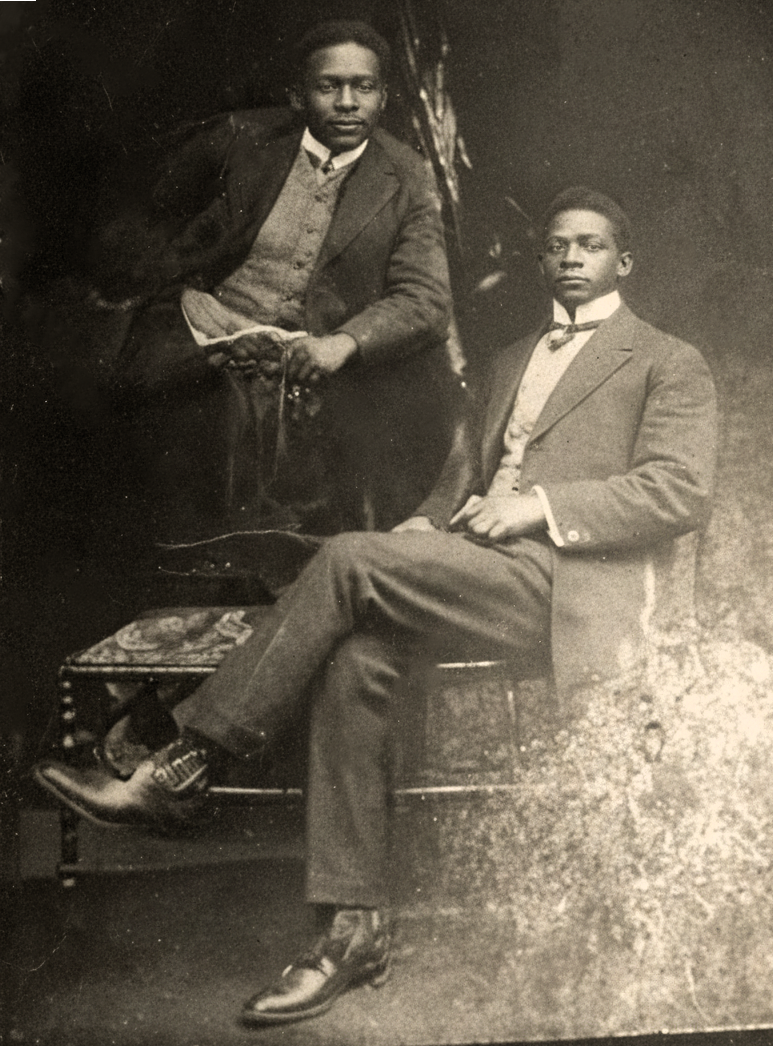
The will of 'Malamah' Thomas is the definitive record of his children. It reveals a large family, with children from both Christiana and Annie, as well as others, painting a picture of a patriarch who provided for all his known offspring.The Children of John Henry 'Malamah' Thomas and Christiana Nancy Thomas:
'Malamah' Thomas's vision extended to his grandchildren, ensuring the family's properties and legacy would continue.
The Matriarchs: Christiana and Annie
The will formally acknowledges the two women at the center of 'Malamah' Thomas's domestic life: his wife, Christiana Nancy Thomas, and his partner, Annie Victoria Asgill. While Christiana was his wife, the will demonstrates the deep trust and affection he held for Annie. He named her as one of the executors of his entire estate and, alongside Emanuel Augustus Campbell Noah, appointed her as the legal guardian of their four children, whom he refers to with care as his "natural children". Family records show that Annie Victoria Asgill was the wife and widow of Alfred Asgill and daughter of Charlotte Bull.
The Heirs of Malamah-Thomas: A Generation Defined by their Father's Legacy
The will of 'Malamah' Thomas is the definitive record of his children. It reveals a large family, with children from both Christiana and Annie, as well as others, painting a picture of a patriarch who provided for all his known offspring.The Children of John Henry 'Malamah' Thomas and Christiana Nancy Thomas:
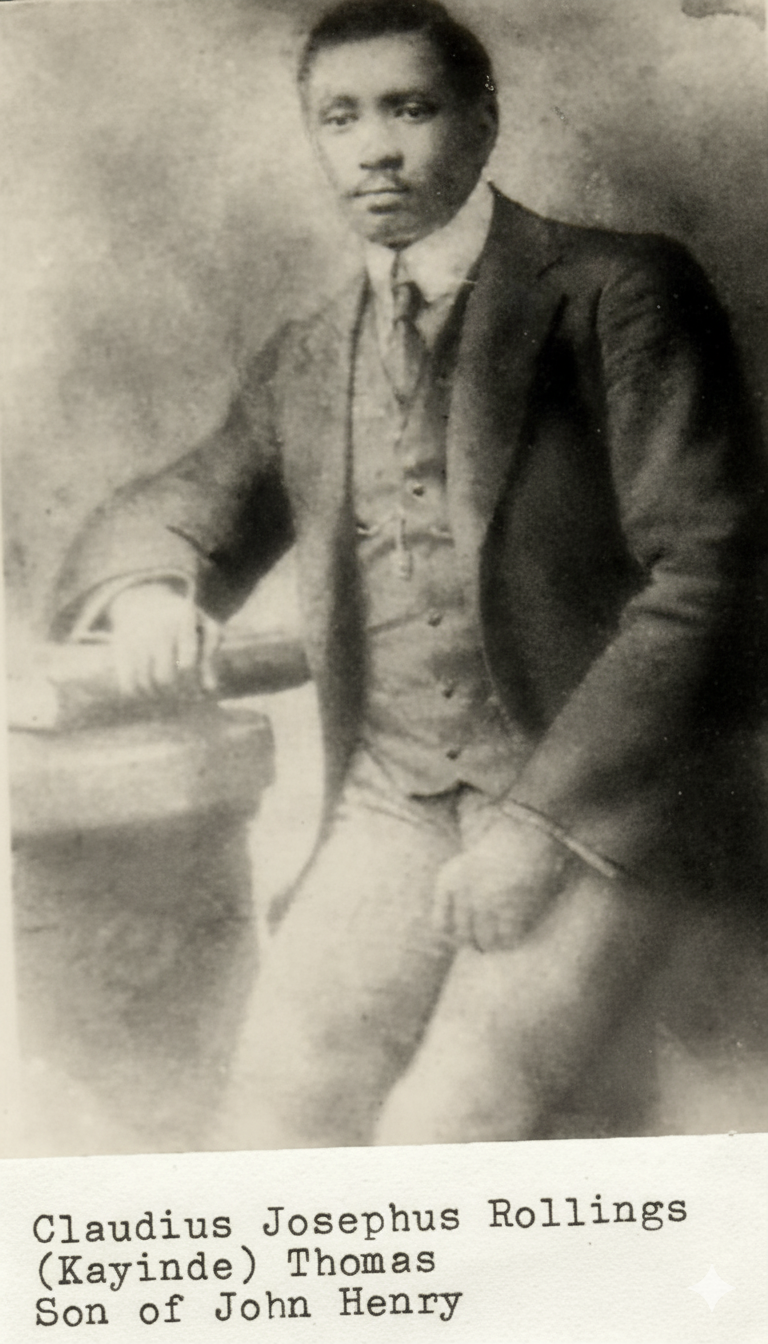
- Claudius Josephus Rollings-Thomas: As the eldest son, he was named an executor of the will and received a bequest of £200. He resided in a house owned by his father at 50 Little East Street.
- Laura Henrietta Nichols (née Thomas): A daughter from his marriage to Christiana.
- Edith Jane Cecilia Hebron (née Thomas): A daughter from his marriage to Christiana.
- Herbert Henry Thomas: Named as a "natural son," he received a significant bequest of £400 and was granted a life tenancy in the house at 50 Little East Street after his brother Claudius.
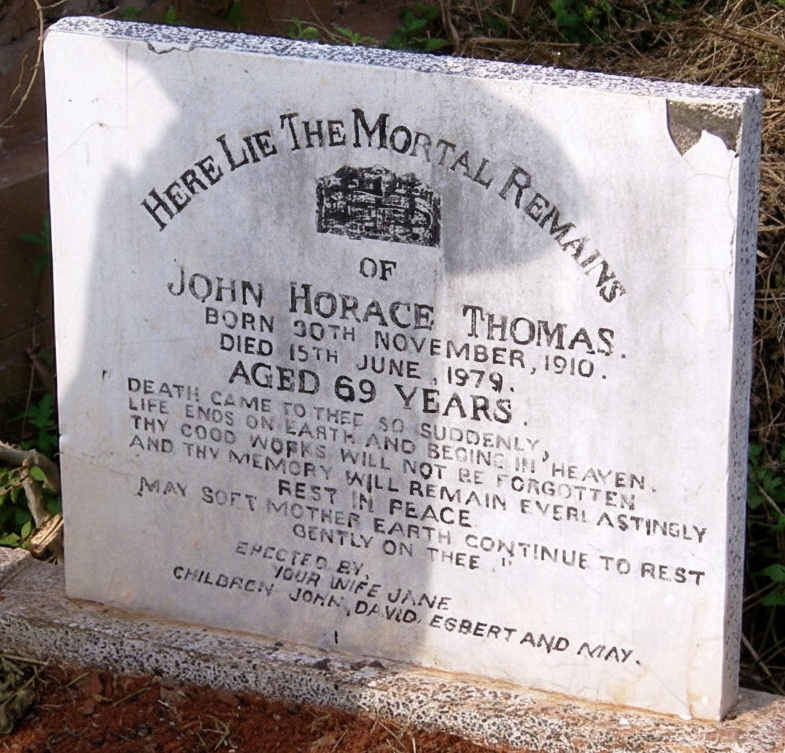
- John Horace Thomas: Also a "natural son," he received an equal share of £400, life tenancy in the Little East Street house after Herbert, and was bequeathed his father's shops at 50 and 50a Little East Street outright.
- Maud Regina Thomas: Named as a "natural daughter," she received a bequest of £200.
- Ethel Matilda Ashwood (née Thomas): Also a "natural daughter," she received a bequest of £200, setting her on a path to her own entrepreneurial success.
- Lionel Gustavus Thomas: The will reveals a previously unknown son who was deceased by 1919. 'Malamah' Thomas made a provision for Lionel's "natural daughter," Sarah Smith.
- Bernice Clarke (née Thomas): The will includes a bequest of £50 to his "natural daughter Bernice Clarke," the wife of Jabez Clarke.
'Malamah' Thomas's vision extended to his grandchildren, ensuring the family's properties and legacy would continue.
- The Children of Claudius J. Rollings-Thomas: He bequeathed his primary residence, the iconic "Malamah House" on Little East Street, to his grandsons John E. Malamah-Thomas and Christian Jellicoe Rollings Thomas for the duration of their lives. After their passing, the house was to go to his granddaughters, Edith Jane Christiana Thomas and Laura Regina Christiana Thomas, forever.
- The Son of Laura H. Nichols: His grandson, Lawrence Christopher John Cyril Nicolls, received a bequest of £100 and was to inherit the property on Goderich Street after the life tenancy of his cousin, Sarah.
- The Daughter of Lionel G. Thomas: His granddaughter, Sarah Smith (also referred to as Sarah Thomas in the will), received £100 and was granted a life tenancy of the property on Goderich Street.
Genealogical Chart: The House of Malamah-Thomas
This chart combines information from the will, family trees, and historical records to present the most complete picture of the family's lineage.
This chart combines information from the will, family trees, and historical records to present the most complete picture of the family's lineage.
| Name | Relationship to J.H.M.T. | Mother | Spouse(s) | Known Children | Key Life Events / Notes |
|---|---|---|---|---|---|
| John Henry 'Malamah' Thomas | Patriarch | --- | Christiana Nancy Thomas (Wife); Annie Victoria Asgill (Partner) | Claudius, Laura, Edith, Herbert, John, Maud, Ethel, Lionel (d.), Bernice | Merchant, 8-term Mayor of Freetown, Member of the Legislative Council. Will dated Dec 18, 1919. |
| Claudius J. Rollings-Thomas | Son | Christiana Nancy Thomas | Unknown | Eram Victor, Christian Jellicoe, Edith Jane, Laura Regina | Executor of his father's will. Resided at 1150 East Street. |
| Laura H. Nichols (née Thomas) | Daughter | Christiana Nancy Thomas | Mr. Nichols | Lawrence Christopher John Cyril Nicolls | Daughter of 'Malamah' Thomas and his wife. |
| Edith J. C. Hebron (née Thomas) | Daughter | Christiana Nancy Thomas | Mr. Hebron | Unknown | Daughter of 'Malamah' Thomas and his wife. |
| Herbert Henry Thomas | Son | Annie Victoria Asgill | Edna Agatha | Herbert, Annie, Derek, Ronald | Received £400 bequest and life tenancy in family home. |
| John Horace Thomas | Son | Annie Victoria Asgill | Unknown | David, John, May, Egbert | Received £400 bequest, life tenancy, and family shops. |
| Maud Regina Thomas | Daughter | Annie Victoria Asgill | Unknown | Unknown | Received £200 bequest. |
| Ethel M. Ashwood (née Thomas) | Daughter | Annie Victoria Asgill | Eustace J. E. Ashwood | Eustace, Pamela, Alfred, Gloria, Gracie, Jestina, Joseph | Born 1913, Died 1988. Founder of Red Lion Bakery. Received £200 bequest. |
| Lionel Gustavus Thomas | Son | Unknown | Unknown | Sarah Smith (also known as Sarah Thomas) | Deceased by the time the will was written in 1919. |
| Bernice Clarke (née Thomas) | Daughter | Unknown | Jabez Clarke | Unknown | Received £50 bequest in her father's will. |
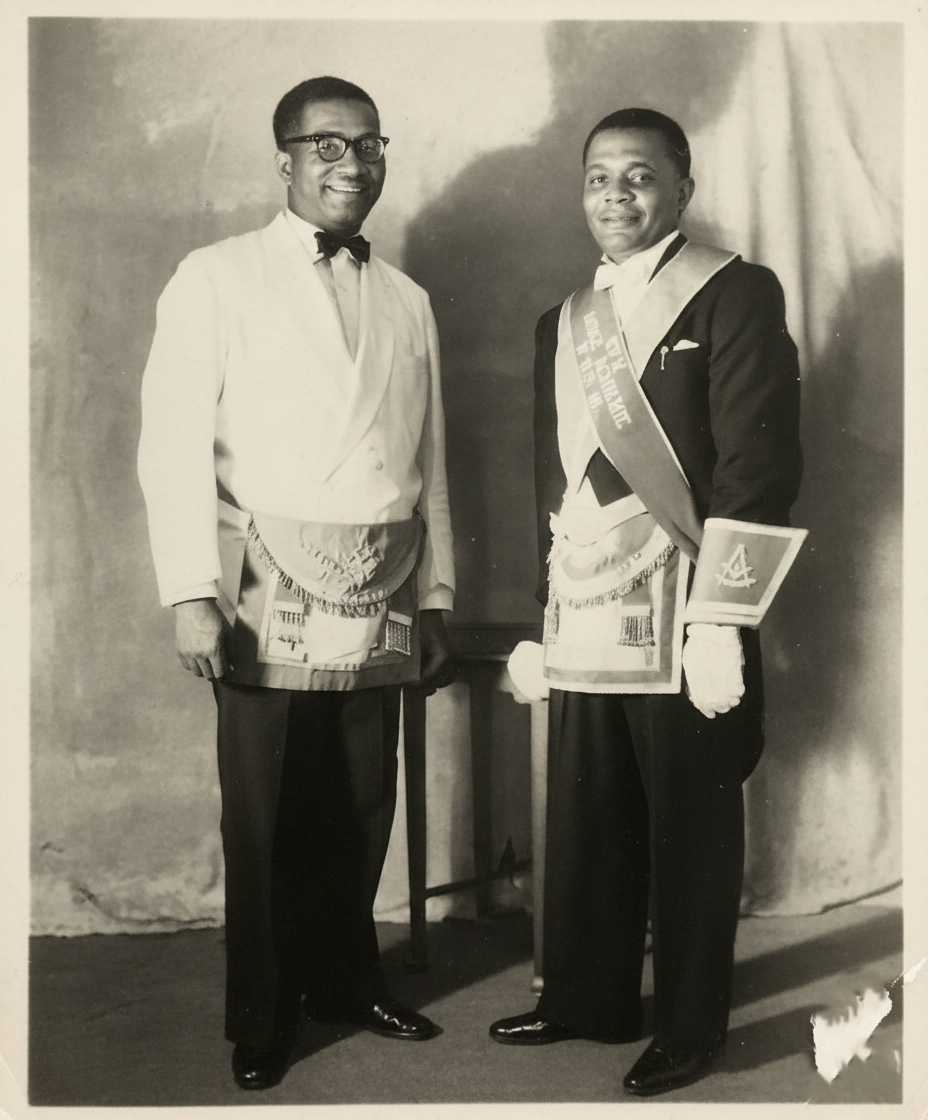
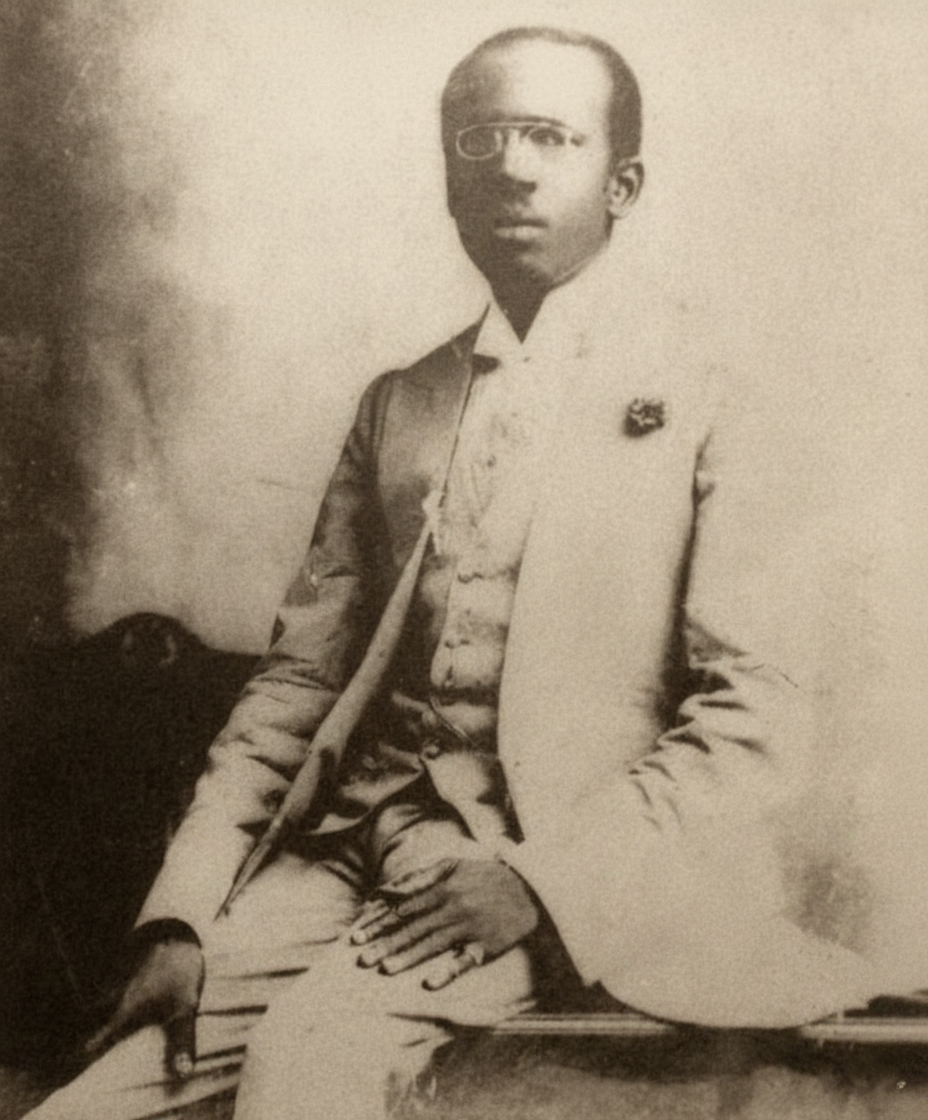
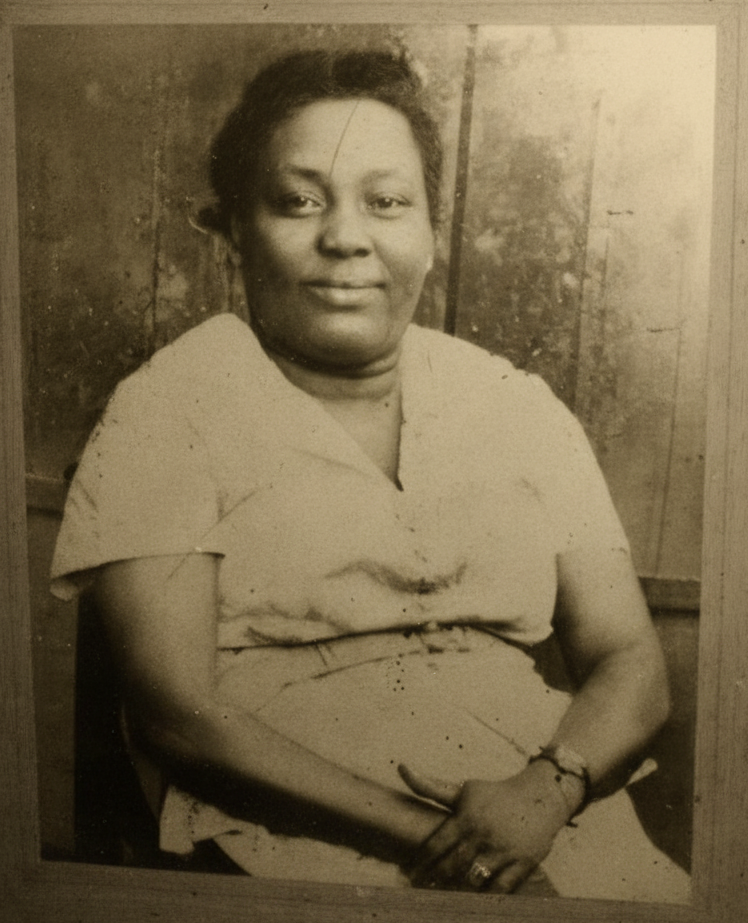
The Ashwood Connection and a Legacy of Enterprise
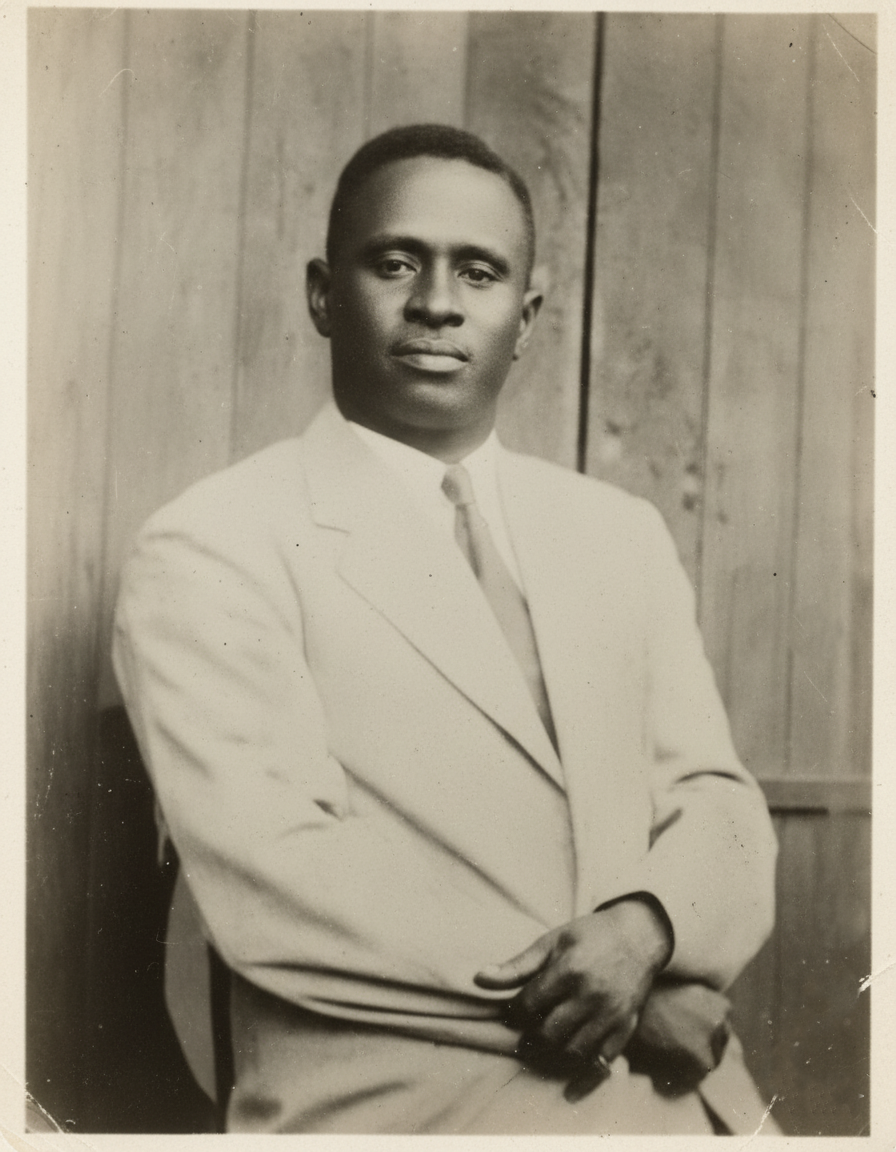
The marriage of Ethel Matilda Thomas, daughter of the great 'Malamah' Thomas, created a new and dynamic branch of the family tree: the Ashwoods. Through Ethel, the entrepreneurial gene that had defined her father found a new and powerful expression.
Ethel Matilda Ashwood (née Thomas): A Matriarch's Vision
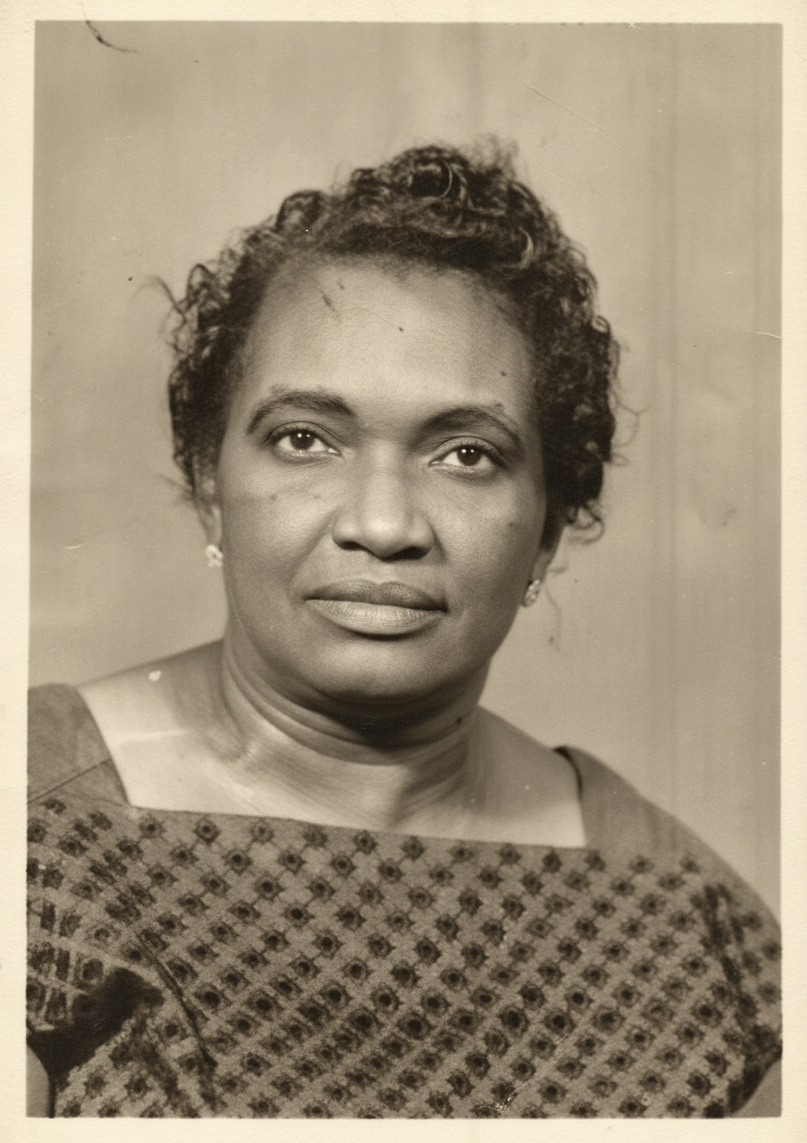
Born on September 27, 1913, Ethel Matilda Ashwood was a worthy inheritor of her father's formidable drive. Her early life was shaped by the educational opportunities available to the Krio elite; she attended the prestigious Annie Walsh Memorial School in Freetown from 1923 to 1928. As the daughter of John Henry 'Malamah' Thomas and Annie Victoria Asgill, she grew up immersed in a world of commerce and civic leadership. But it was through her own vision and perseverance that she would carve out her own unique legacy, becoming a powerful example of female entrepreneurship in mid-20th century Sierra Leone.
The Red Lion Bakery: A Story Kneaded with Love
The genesis of the Red Lion Bakery is a story of necessity becoming the mother of invention. During the Second World War, life in Freetown was marked by rationing and scarcity. One day, Ethel's husband brought home a single, expensive loaf of bread, which was insufficient for their household of seven children: Eustace, Pamela, Alfred, Gloria, Gracie, Jestina, Joseph. Recalling her late mother, Annie Asgill, baking cakes in a pot, Ethel decided to try making bread herself. After several failed attempts, she finally "conquered!" the recipe. Her neighbors at the Kingtom Police Barracks were so impressed they asked to buy her bread, and a business was born. By 1948, her home-based operation was trading as "Ashwood, Sons and Daughters (ASSADS)". The business took on its iconic name when her husband returned from leave in the UK and renamed it "Red Lion" after his favorite pub. Established at 13 Bolling Street, Kingtom, in 1949, the Red Lion Bakery grew into a cherished local institution, a testament to one woman's vision and resilience. The legacy continues to this day, co-owned and managed by her grandchildren, Cyril Grant and Michelle Jones.
The marriage of Ethel Matilda Thomas, daughter of the great 'Malamah' Thomas, created a new and dynamic branch of the family tree: the Ashwoods. Through Ethel, the entrepreneurial gene that had defined her father found a new and powerful expression.
Ethel Matilda Ashwood (née Thomas): A Matriarch's Vision
Born on September 27, 1913, Ethel Matilda Ashwood was a worthy inheritor of her father's formidable drive. Her early life was shaped by the educational opportunities available to the Krio elite; she attended the prestigious Annie Walsh Memorial School in Freetown from 1923 to 1928. As the daughter of John Henry 'Malamah' Thomas and Annie Victoria Asgill, she grew up immersed in a world of commerce and civic leadership. But it was through her own vision and perseverance that she would carve out her own unique legacy, becoming a powerful example of female entrepreneurship in mid-20th century Sierra Leone.
The Red Lion Bakery: A Story Kneaded with Love
The genesis of the Red Lion Bakery is a story of necessity becoming the mother of invention. During the Second World War, life in Freetown was marked by rationing and scarcity. One day, Ethel's husband brought home a single, expensive loaf of bread, which was insufficient for their household of seven children: Eustace, Pamela, Alfred, Gloria, Gracie, Jestina, Joseph. Recalling her late mother, Annie Asgill, baking cakes in a pot, Ethel decided to try making bread herself. After several failed attempts, she finally "conquered!" the recipe. Her neighbors at the Kingtom Police Barracks were so impressed they asked to buy her bread, and a business was born. By 1948, her home-based operation was trading as "Ashwood, Sons and Daughters (ASSADS)". The business took on its iconic name when her husband returned from leave in the UK and renamed it "Red Lion" after his favorite pub. Established at 13 Bolling Street, Kingtom, in 1949, the Red Lion Bakery grew into a cherished local institution, a testament to one woman's vision and resilience. The legacy continues to this day, co-owned and managed by her grandchildren, Cyril Grant and Michelle Jones.
The Unbroken Thread
From the traumatic rupture of the Middle Passage to the determined nation-building of post-colonial Sierra Leone, the history of the Malamah-Thomas family is a powerful saga of transformation. It is a journey that begins with the resilience of the Aku people and culminates in generations of leaders, entrepreneurs, and community pillars who have left an indelible mark on their society. The life of John Henry 'Malamah' Thomas, illuminated so vividly through his own words in his will, provides the central anchor for this sprawling family story. He was a man who built not only a commercial empire but a complex and enduring dynasty.
From the traumatic rupture of the Middle Passage to the determined nation-building of post-colonial Sierra Leone, the history of the Malamah-Thomas family is a powerful saga of transformation. It is a journey that begins with the resilience of the Aku people and culminates in generations of leaders, entrepreneurs, and community pillars who have left an indelible mark on their society. The life of John Henry 'Malamah' Thomas, illuminated so vividly through his own words in his will, provides the central anchor for this sprawling family story. He was a man who built not only a commercial empire but a complex and enduring dynasty.
This family's history is a profound reflection of the Krio experience itself: a story of forging a new identity from diverse origins. They were not passive subjects of history; they were active agents who built communities, founded businesses, and helped shape the course of a nation. The values demonstrated by 'Malamah' Thomas—a commitment to family, enterprise, and public service—echo through the generations.
This record is more than a look into the past; it is a living legacy. The unbroken thread of this family's story is carried on today by their descendants, who continue to contribute to society in their own ways, embodying the spirit of their ancestors. For the current and future generations, this history serves as both an anchor and a compass: an anchor to the deep roots of resilience and courage from which they have sprung, and a compass pointing toward a future where they too can contribute to the enduring legacy of the Malamah-Thomas family.