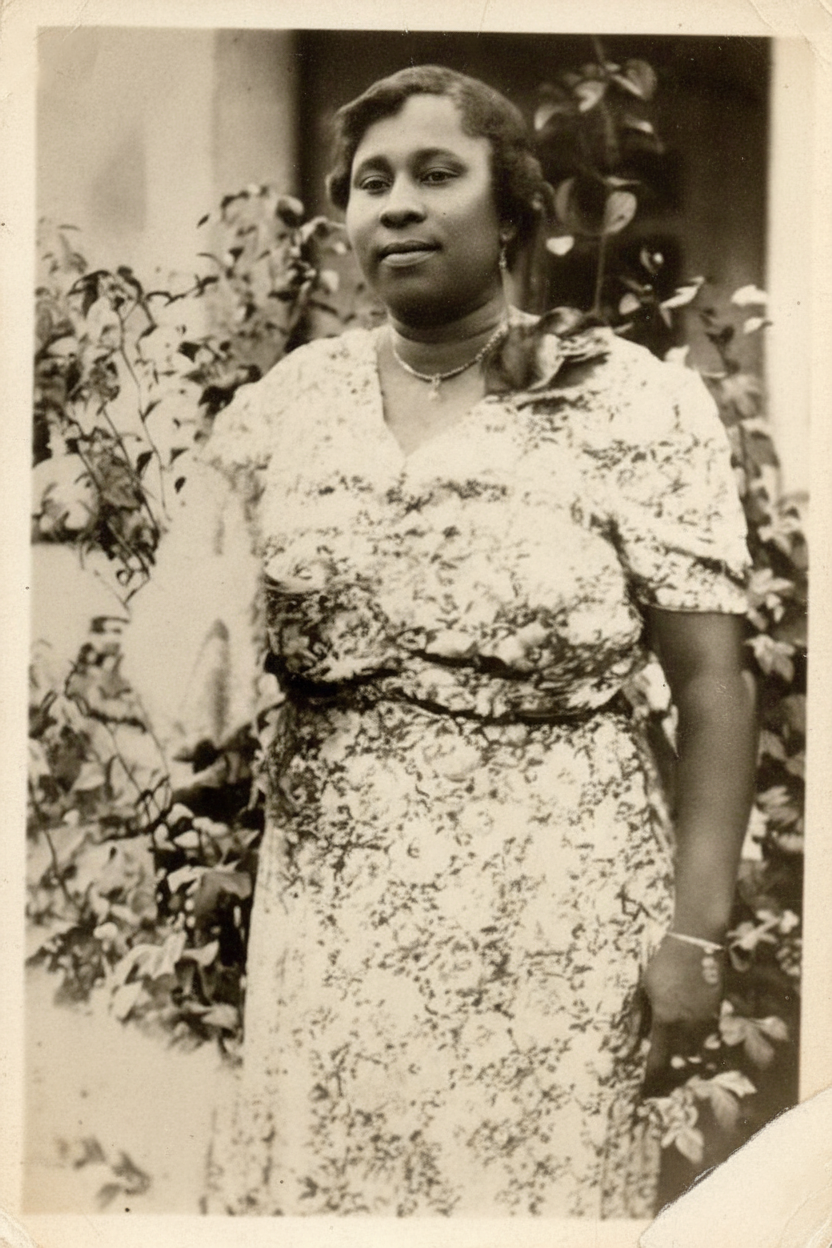
The Women of Malamah: The Unseen Architects of a Freetown Legacy
A Different Story of Success
The story of a great family is often told through the grand achievements of its patriarchs. In the history of Freetown, the name John Henry 'Malamah' Thomas stands tall—a merchant prince, a celebrated mayor, and a nation-builder who rose from poverty to the pinnacle of society. His is a classic tale of the "self-made man." But this is not that story.
The story of a great family is often told through the grand achievements of its patriarchs. In the history of Freetown, the name John Henry 'Malamah' Thomas stands tall—a merchant prince, a celebrated mayor, and a nation-builder who rose from poverty to the pinnacle of society. His is a classic tale of the "self-made man." But this is not that story.
This is the story of the women who stood beside him, before him, and after him. It is the story of the unseen architects of the Malamah-Thomas fortune, the quiet strategists of its social ascent, and the resilient entrepreneurs who forged new legacies from the embers of the old. The rise of the Malamah-Thomas family was not the work of one man; it was an intergenerational partnership, a collective effort where the labor, wisdom, and ambition of its women formed the very bedrock of its success.
From the laundress who ensured her son’s survival to the business partner who managed the family’s first enterprise, from the socialite whose wedding cemented the family’s status to the baker who turned a wartime necessity into a beloved institution - this is their story. This is the history of the Malamah women.
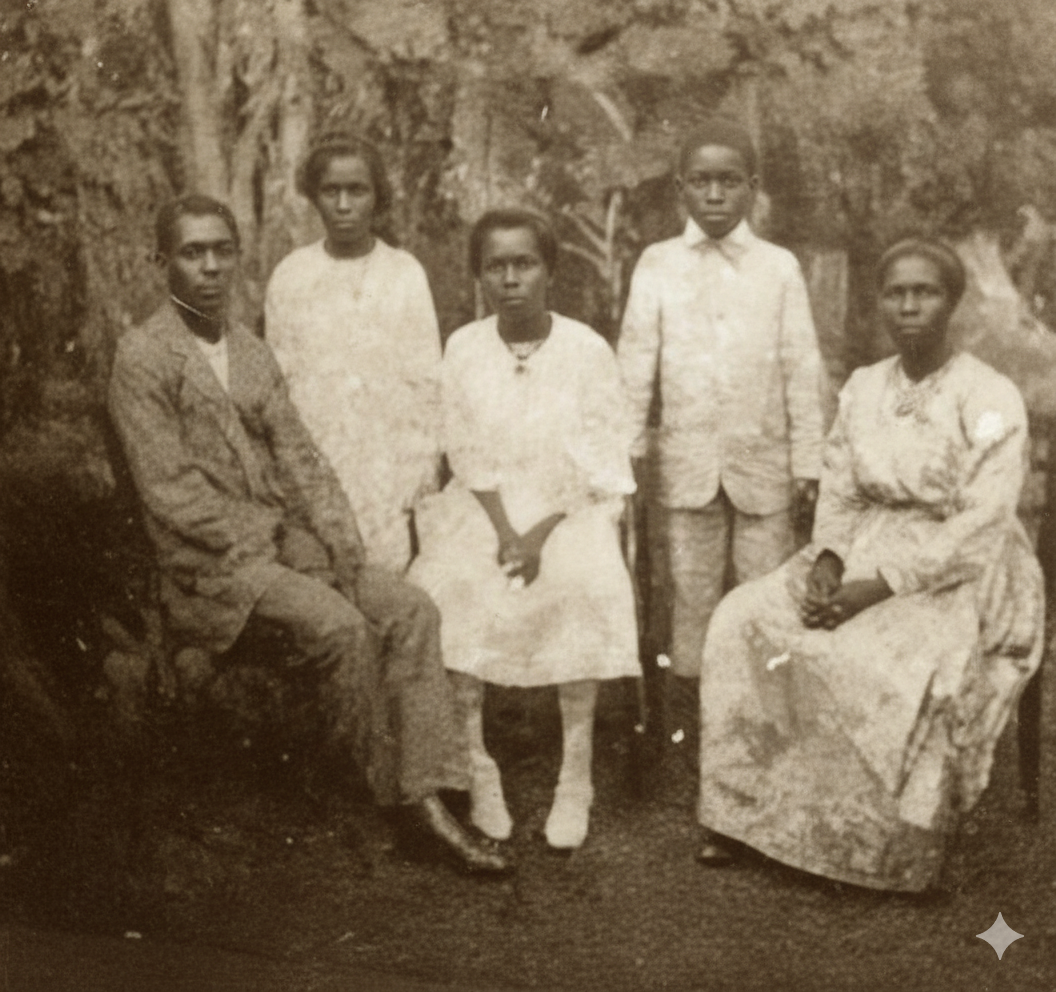
Betty Thomas: The First Foundation
Every great legacy begins with an act of survival. For the Malamah-Thomas family, that act was performed by Betty Thomas. The wife of John Thomas and a woman of the Egba Yoruba people, Betty’s life was upended when her husband died, leaving her to raise their three-year-old son, John Henry, alone.
Every great legacy begins with an act of survival. For the Malamah-Thomas family, that act was performed by Betty Thomas. The wife of John Thomas and a woman of the Egba Yoruba people, Betty’s life was upended when her husband died, leaving her to raise their three-year-old son, John Henry, alone.
In the bustling, unforgiving world of 19th-century Freetown, Betty worked as a laundress, a physically demanding job that was the very definition of hard labor. Her resilience was the family’s first and most crucial asset. She worked tirelessly to provide for her young son, ensuring he had a foundation from which to build his future. John Henry’s own schooling was often interrupted, as he had to spend two days a week doing odd jobs to help his mother make ends meet.
This early life of shared struggle forged in him a powerful work ethic, but it was Betty’s strength that made it all possible. She was the first investor in the family’s future, her currency being sweat, determination, and a mother’s unwavering love. Long before the shops, the mayoral terms, and the grand houses, there was Betty Thomas, whose quiet, back-breaking labor laid the first, indispensable stone of the Malamah-Thomas dynasty.
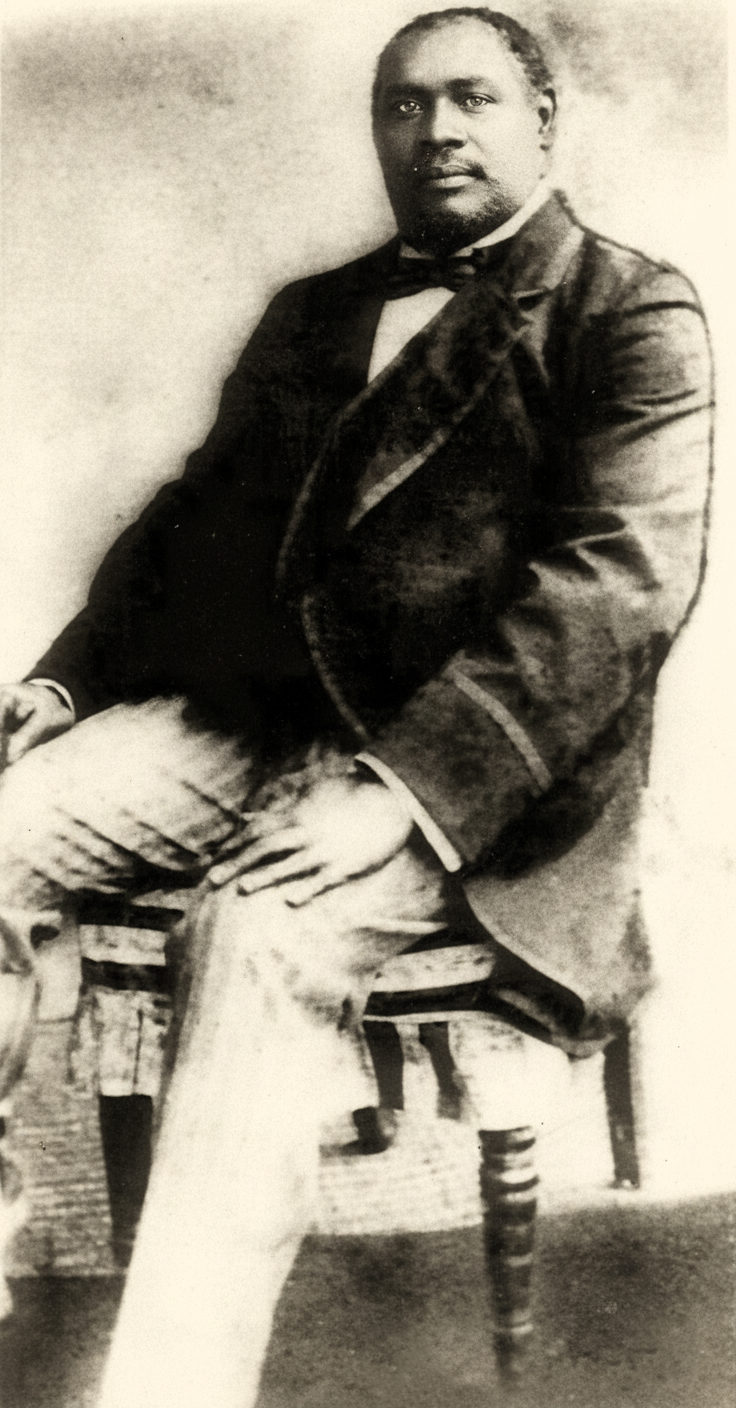
Christianna Rollings Thomas: The Business Partner
When John Henry 'Malamah' Thomas began his ascent in the world of commerce, he was not alone. At his side was his wife, Christianna Rollings Thomas, a woman who was not merely a supportive spouse but an active and essential business partner. The sister of a Freetown shopkeeper, T.J. Rollings, Christianna brought with her valuable connections to the city’s commercial networks. But her most critical contribution was her own business acumen.
When John Henry 'Malamah' Thomas began his ascent in the world of commerce, he was not alone. At his side was his wife, Christianna Rollings Thomas, a woman who was not merely a supportive spouse but an active and essential business partner. The sister of a Freetown shopkeeper, T.J. Rollings, Christianna brought with her valuable connections to the city’s commercial networks. But her most critical contribution was her own business acumen.
In 1882, as John Henry’s ventures took him to the volatile, unpredictable trade routes of the Scarcies and Rokel rivers, he made a decision that speaks volumes about his trust in his wife. He opened a small shop in Freetown, dealing in cloth fabrics and other goods, and left it entirely "in his wife's charge."
This was no small responsibility. John Henry’s up-country trade was risky and subject to the whims of colonial politics and regional conflicts. Christianna’s shop in the capital was the family’s anchor. She managed the inventory, handled the sales, and ensured a steady, reliable stream of income that provided the financial stability necessary for her husband to take the risks that would ultimately build their fortune. While he navigated the rivers, she navigated the marketplace, her competent management forming the solid economic foundation upon which the Malamah-Thomas empire was built. She was, in the truest sense, a co-founder of the family’s success.
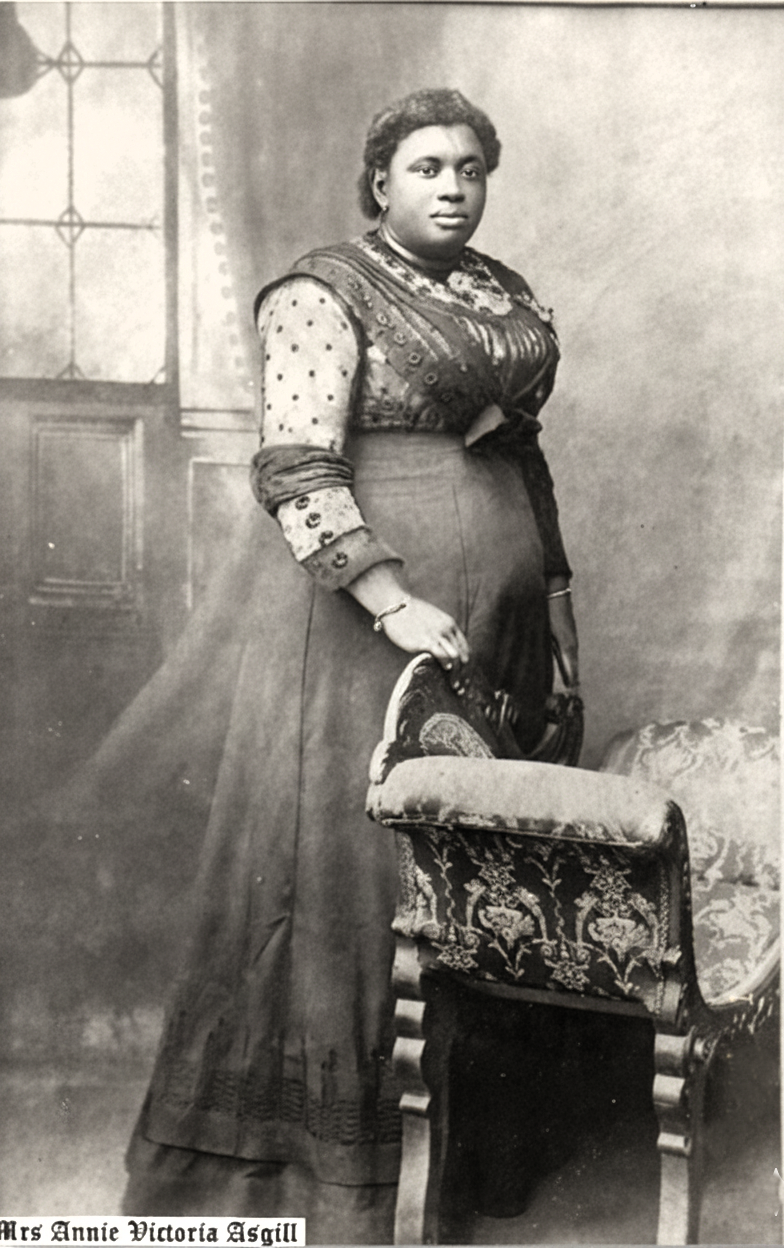
Annie Victoria Asgill: The Second Matriarch
The structure of the Malamah-Thomas family was as complex and dynamic as Freetown itself. Alongside his formal marriage to Christianna, John Henry had a loving and recognized "partnership" with Annie Victoria Asgill. This second union was a vital and integral part of the family, producing seven children who were raised within the larger, loving family unit.
The structure of the Malamah-Thomas family was as complex and dynamic as Freetown itself. Alongside his formal marriage to Christianna, John Henry had a loving and recognized "partnership" with Annie Victoria Asgill. This second union was a vital and integral part of the family, producing seven children who were raised within the larger, loving family unit.
Annie’s role was that of a second matriarch, a pillar of strength who raised a generation of children who would carry the Malamah-Thomas name and spirit into the 20th century. Her presence in the family story reflects the fluid social realities of Krio society, where European Christian norms often blended with local customs to create unique family structures.
That this partnership was so openly integrated into the family speaks to the respect and importance accorded to Annie. She was not a hidden figure but a central one, whose children were cherished and provided for. Most notably, she was the mother of Ethel Matilda Ashwood, the future founder of the Red Lion Bakery. Through her daughter, Annie’s legacy of resilience and ingenuity would find a powerful new expression, demonstrating that the strength of the Malamah women flowed through every branch of the family tree.
Christianna Nicole: The Social Strategist
By the end of the 19th century, the Malamah-Thomas family had achieved not just wealth, but significant social and political power. The embodiment of this arrival was the spectacular wedding of John Henry’s daughter, Christianna, to Councillor C.C. Nicole, a prominent Freetown contractor, in 1896.
By the end of the 19th century, the Malamah-Thomas family had achieved not just wealth, but significant social and political power. The embodiment of this arrival was the spectacular wedding of John Henry’s daughter, Christianna, to Councillor C.C. Nicole, a prominent Freetown contractor, in 1896.
This was no ordinary wedding; it was a statement. John Henry reportedly "hired nearly half the houses in East Street for the ceremony," and the event was so grand that "business in Freetown was virtually at a standstill for several days." Guests flocked from surrounding villages to witness the celebration, a magnificent public display of the family's status, influence, and success.
At the center of this grand affair was the bride, Christianna Nicole. Her marriage was more than a romantic union; it was a strategic alliance, cementing a powerful bond between two of the city’s most influential commercial and civic families. In her role as the bride in the "wedding of the century," Christianna was an active agent in consolidating her family’s social power. She was the symbol of a new generation, one that was born into the prominence her parents had worked so hard to achieve. Through her, the family’s private success was translated into an undeniable public narrative of power and prestige, ensuring the Malamah-Thomas name would be synonymous with the Freetown elite for years to come.
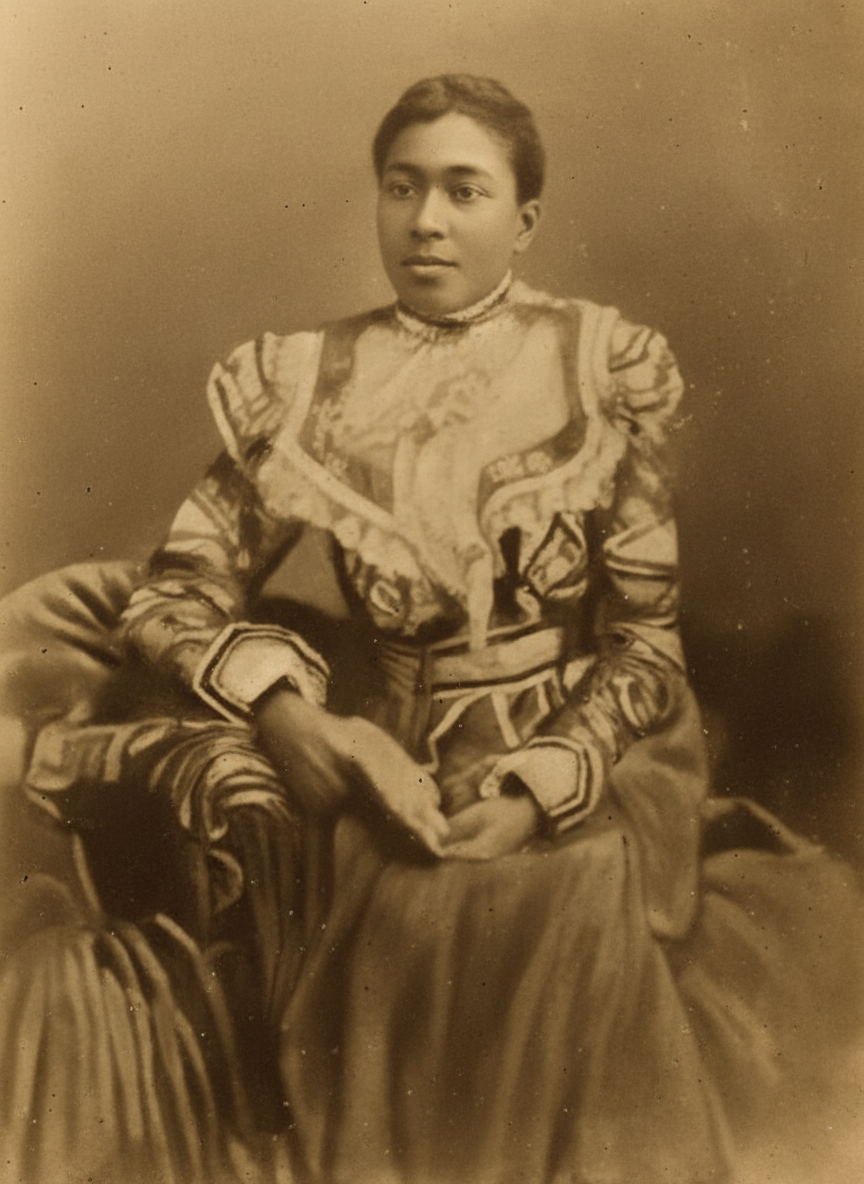
Ethel Matilda Ashwood: The Entrepreneur
The entrepreneurial spirit of the Malamah-Thomas family found its most enduring and beloved expression in Ethel Matilda Ashwood, daughter of John Henry and Annie Victoria Asgill. Her story is a masterclass in female ingenuity, demonstrating how the family’s core traits of resilience and business acumen were passed down and brilliantly adapted to new challenges.
The entrepreneurial spirit of the Malamah-Thomas family found its most enduring and beloved expression in Ethel Matilda Ashwood, daughter of John Henry and Annie Victoria Asgill. Her story is a masterclass in female ingenuity, demonstrating how the family’s core traits of resilience and business acumen were passed down and brilliantly adapted to new challenges.
Her journey began in 1944, during the scarcities of the Second World War. Bread was being rationed, and one day, a single, expensive loaf was all that was available for her large household, which included her six children. For Ethel, a nursing mother, this was simply not enough. Inspired by the memory of her own mother, Annie, baking cakes in a pot, she decided to take matters into her own hands.
Her first attempts were failures, resulting in bread that was either "hard as stone or completely soggy." But Ethel persevered. She refined her method until she finally "conquered!" the recipe. Overjoyed, she shared her success with her neighbors at the Kingtom Police Barracks, who were so impressed they asked to buy her bread.
A business was born. What started with a few pounds of flour in a domestic kitchen grew into a recognized enterprise. By 1948, it was trading as "Ashwood, Sons and Daughters (ASSADS)." It later took on its iconic name, the "Red Lion Bakery," after her husband’s favorite pub in the United Kingdom. From its official establishment in 1949, the Red Lion Bakery became a cherished Freetown institution, a testament to one woman’s determination to provide for her family. Ethel Ashwood turned a domestic problem into a commercial triumph, creating a legacy that has nourished the community for generations and continues to this day under the management of her grandchildren.
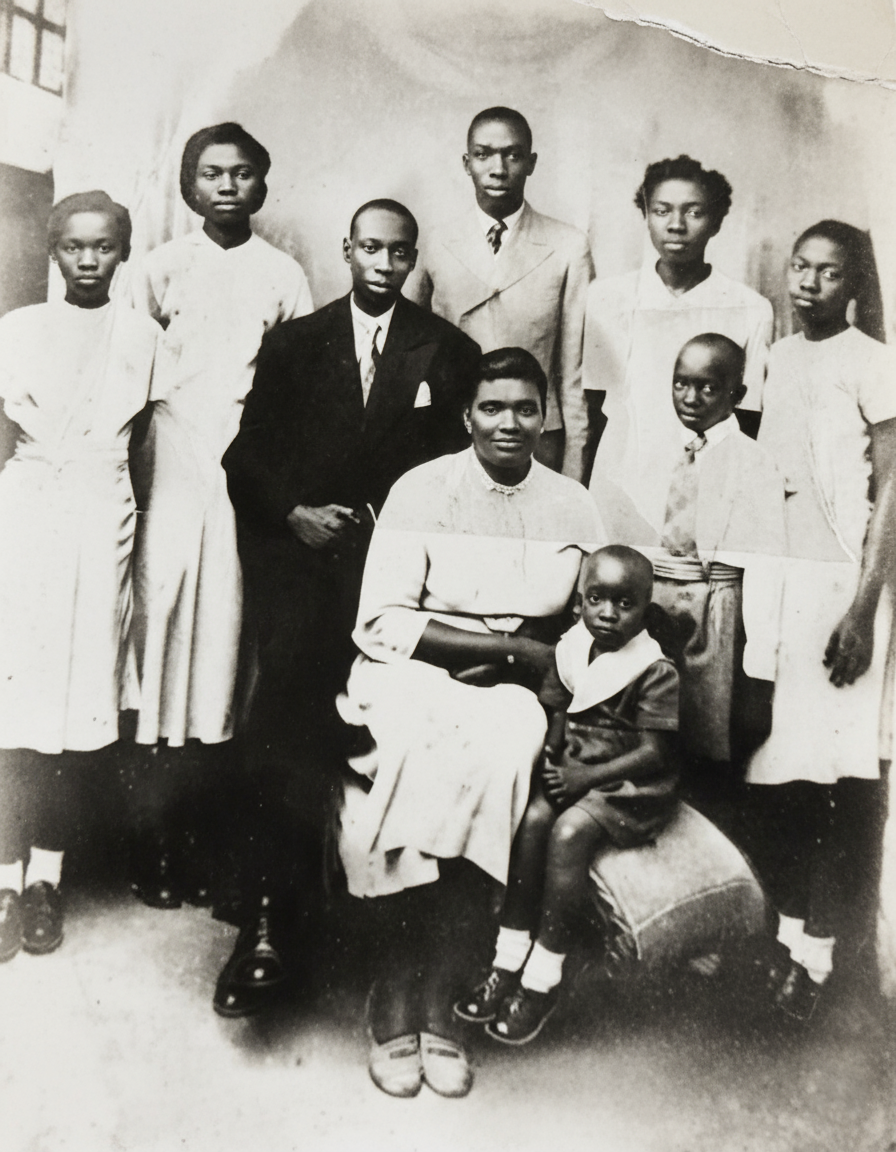
The Malamah-Thomas family tree is rich with the names of daughters who carried the family’s legacy forward. Among them were Laura Henrietta Nichols and Maud Regina Thomas. While historical records offer fewer details about their individual lives, their presence is a crucial part of the family portrait.
They were part of a generation of women who benefited from the family's success, growing up in a world of greater opportunity than their parents and grandparents had known. They represent the continuation of the family line, and their stories, though quieter in the historical record, are a vital part of the enduring tapestry of the Malamah women. Further research into their lives will no doubt reveal more about the diverse paths taken by the daughters of this remarkable dynasty.
An Unbroken Line of Strength
The story of the Malamah-Thomas family is a powerful reminder that history is not made by men alone. It is a narrative of intergenerational collaboration, where the strength of women was the constant, driving force. From Betty Thomas’s foundational resilience to Ethel Ashwood’s entrepreneurial vision, the women of this family were the quiet architects of its success. They managed the homes, ran the businesses, forged the social connections, and raised the next generation, ensuring that the legacy of 'Malamah' would not only be built, but that it would endure.
This is the true inheritance of the Malamah-Thomas family: an unbroken line of strength, ingenuity, and unwavering determination passed down through its remarkable women.
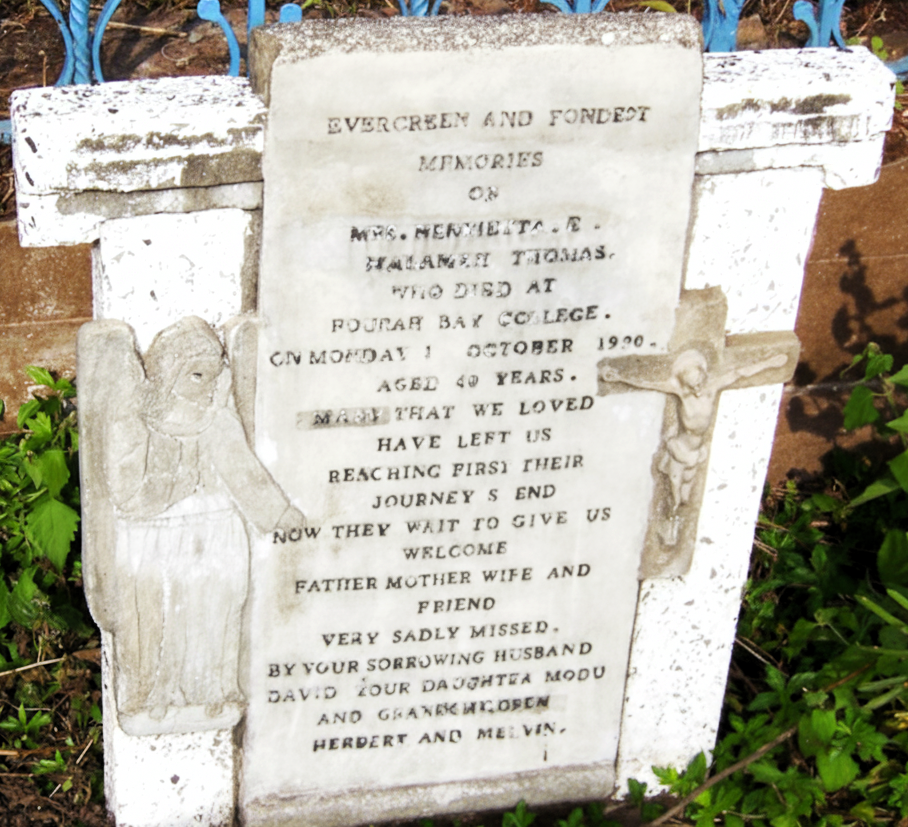
Tombstone
MRS. HENRIETTA. T. HALAMAH THOMAS wife of DAVID MALAMAH-THOMAS